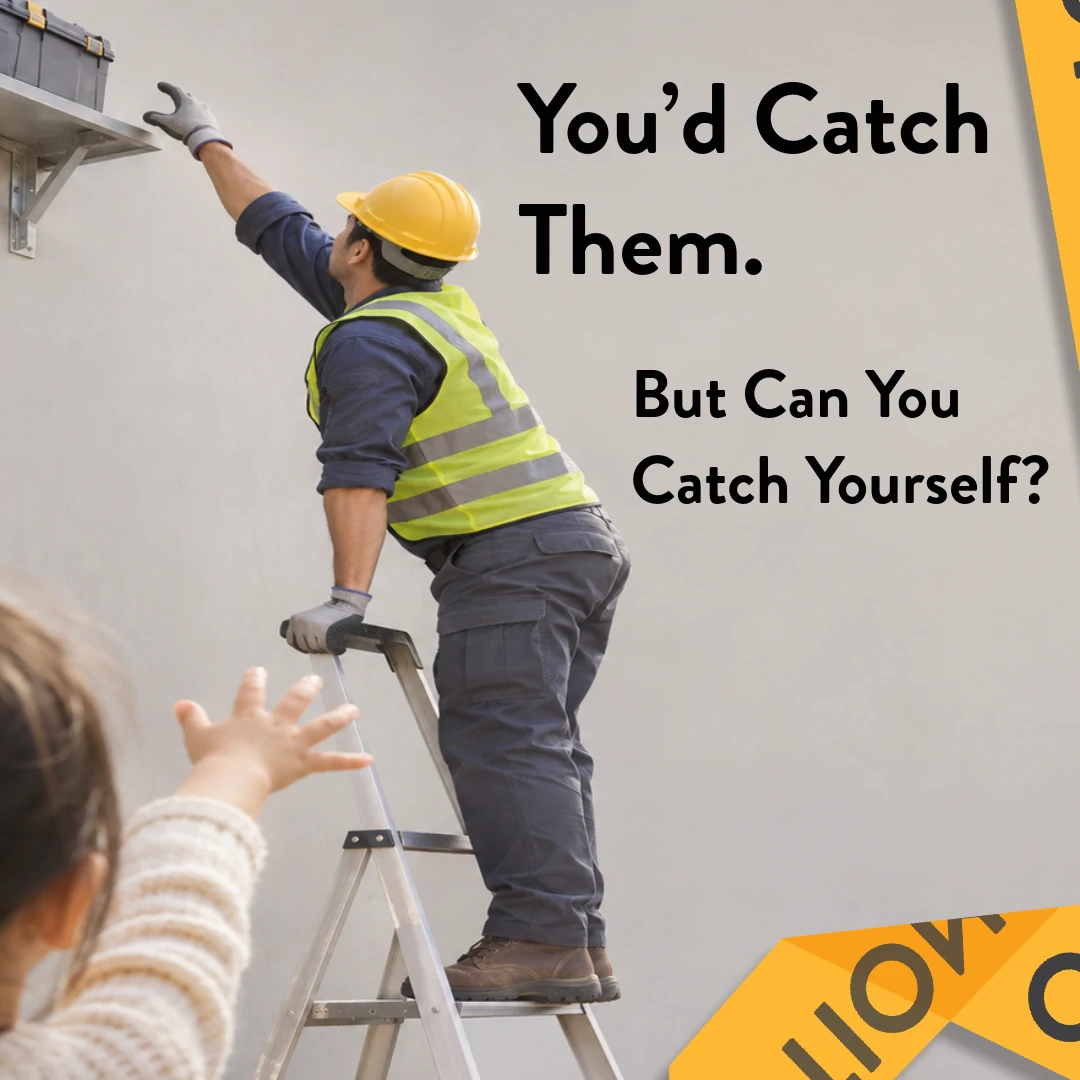
We protect the people we love from risks we barely notice when we take them ourselves.
Picture a little kid standing on a chair because they want something on the top shelf. Maybe it is your granddaughter reaching for a cookie, your son trying to grab a toy or your nephew deciding he is suddenly eight feet tall. You would probably be across that room before they even had time to wobble. You would tell them to get down, grab the thing for them and maybe throw in one of those very serious grown-up looks for good measure. 😳 Somehow, when the person taking the risk is small and belongs to somebody we love, the danger becomes incredibly easy to see.
Now picture yourself at work needing something that is just barely out of reach. The ladder is three steps away, but you are already standing on something that gets you almost high enough. You stretch a little farther, shift your weight and tell yourself you only need another inch. Nobody has to explain to you why that is a bad idea because you already know. The interesting part is how quickly adults can turn something we would NEVER allow a child to do into, “It’ll be fine.”
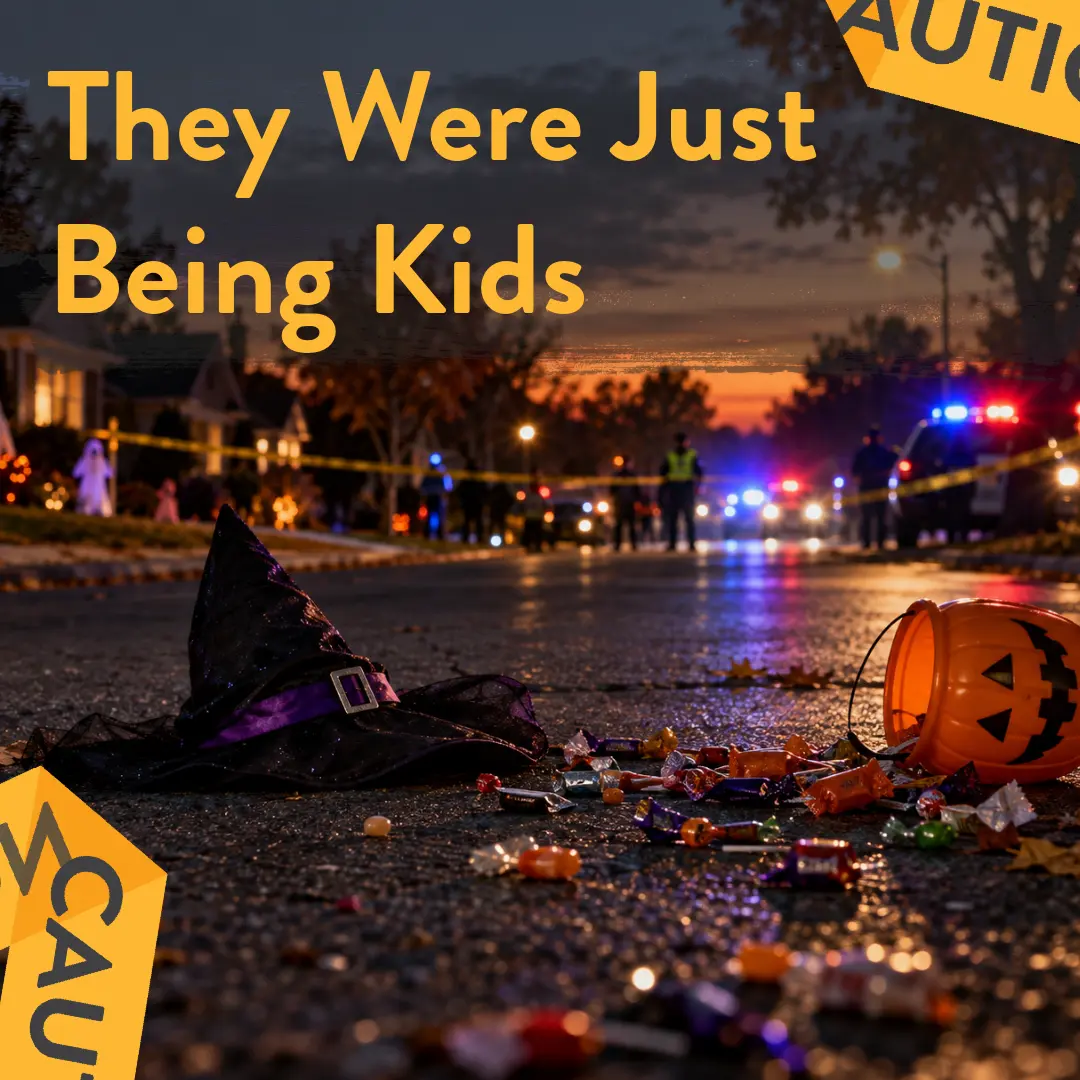
I think about that a lot during National Child Safety Month and Slips, Trips and Fall Prevention Month. We spend so much energy protecting children because we know they do not always understand what can happen next. They run without looking, climb things that were definitely not designed for climbing and somehow manage to find the one slippery spot in an entire room. 😂 We expect that from kids because their judgment is still developing. What is harder to admit is that adults sometimes see the risk perfectly clearly and choose to take it anyway.
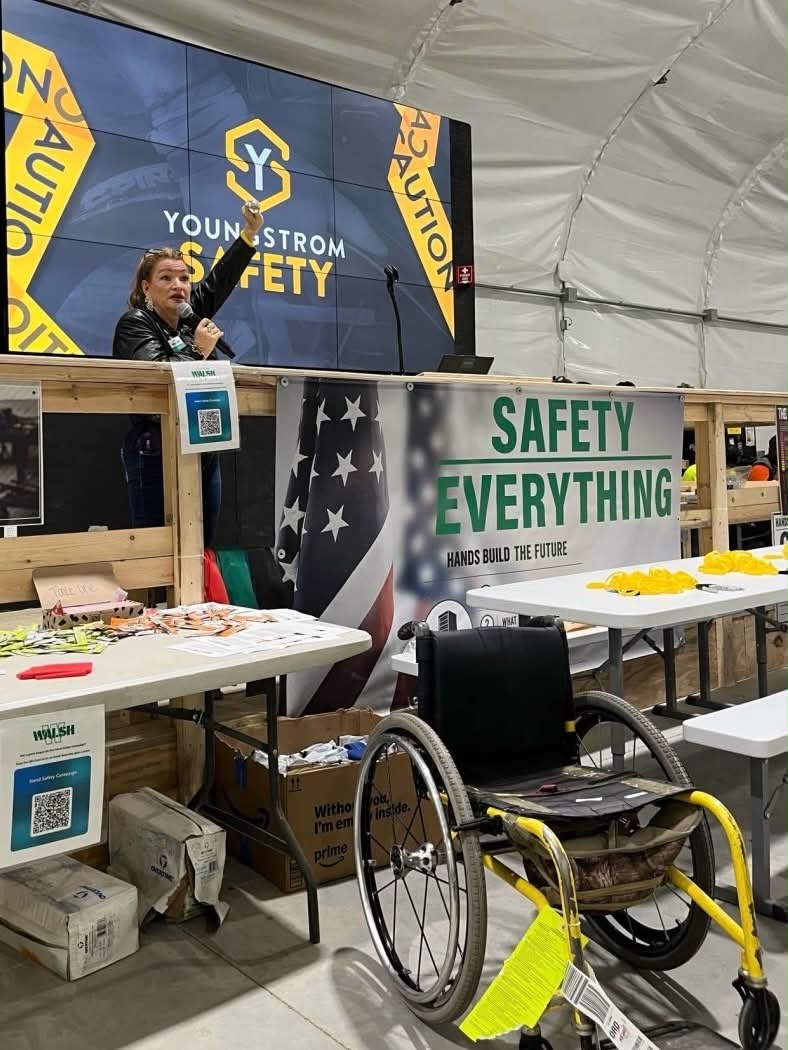
Russ used to describe exactly that kind of thinking when we shared our story. Our presentation is called “It Won’t Happen to Me” for a reason, because before his workplace accident he believed what a lot of experienced workers believe. You know your job, you know your equipment and you have gotten away with certain choices enough times that they stop feeling dangerous. Then one day, the outcome is different. Our family spent decades living with what happened after that one workplace accident, and “I’ll probably be fine” stopped sounding quite so harmless.
That is the strange thing about experience. It can make you incredibly good at your job, but it can also make certain risks feel smaller than they really are. The first time you step over something unstable, climb where you probably should not or walk across a slick surface, you notice it. By the fiftieth time, your brain has filed it somewhere under “normal.” That does not mean the risk disappeared, it just means you got used to seeing it.
But imagine for a second that it was not you standing there. Imagine your grandson reaching too far from the ladder, your daughter carrying too much down the stairs or your niece trying to step across something she could easily walk around. You would probably say something before they finished the thought. You would not care that they had done it safely before because you would be thinking about what could happen this time. Somehow love makes us much less impressed by the argument, “But I’ve always done it this way.”
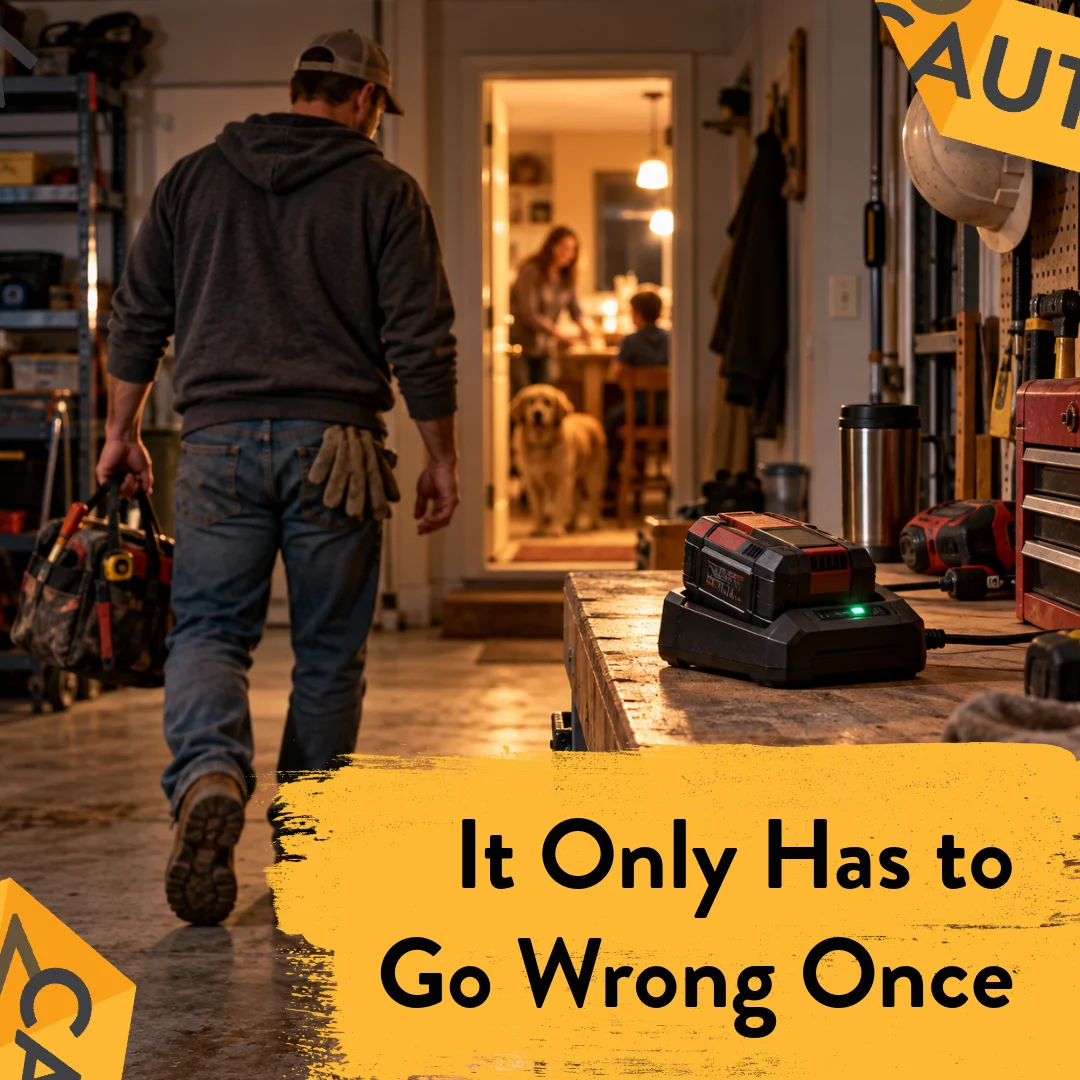
Maybe that is the perspective worth carrying into work this month. Not another list telling you to watch where you step, use the right ladder or keep walkways clear, because you already know all of that. Instead, give yourself the same amount of concern you would give the little person you would reach out and catch without hesitation. The people waiting for you at home would probably like you to treat yourself with that same level of care. And I have a feeling they would choose a slightly delayed project over a phone call saying you are not coming home the way you left.
Child safety and workplace fall prevention might sound like two completely different conversations. To me, they meet in one very simple place: we are really good at recognizing when somebody we love is taking an unnecessary risk. The challenge is remembering that the person on the ladder, crossing the slick floor or saying “I’ve got it” is somebody’s person too. Maybe somebody small thinks you are the safest, strongest person in the entire world. 💛 This month, protect that person the way you would protect them.
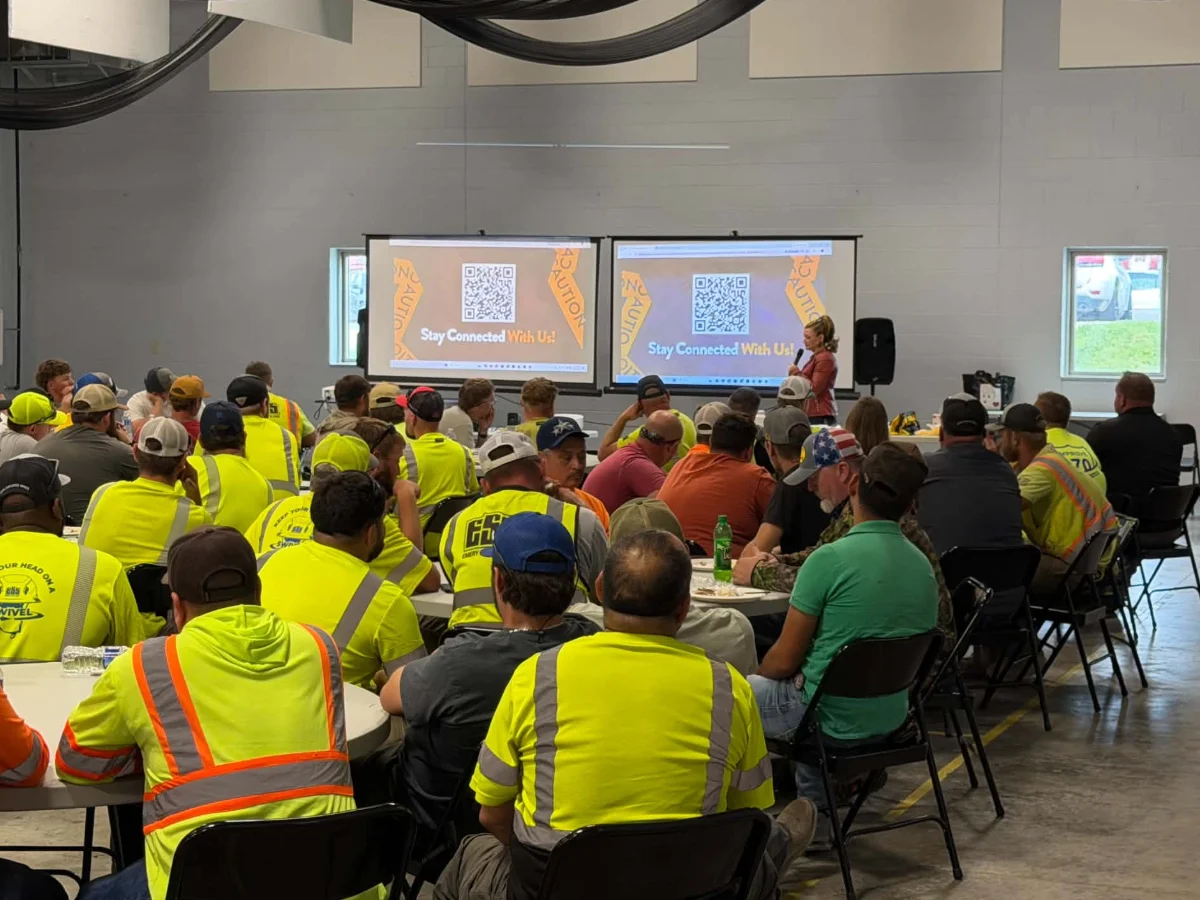
And if your team has heard all the rules before but could use a reminder that actually feels personal, I’d love to share our story with them. That is what I try to do every time I speak: help people see safety through the eyes of the people who would feel the consequences right alongside them. If that sounds like a conversation your team needs, you can learn more about bringing Youngstrom Safety in to speak.