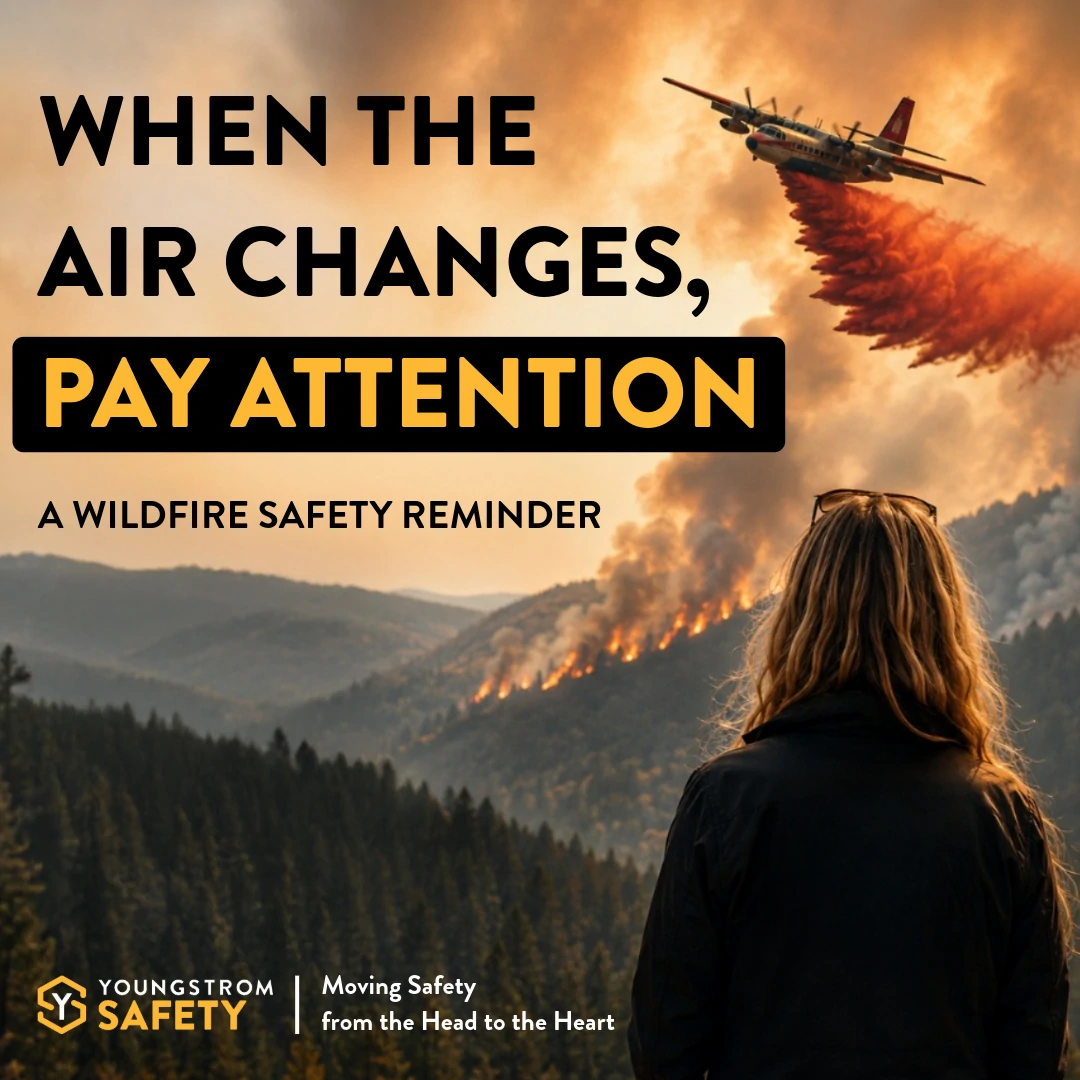
Here in the Pacific Northwest, wildfire season is something we know to expect.
But this year, it started feeling serious pretty early.
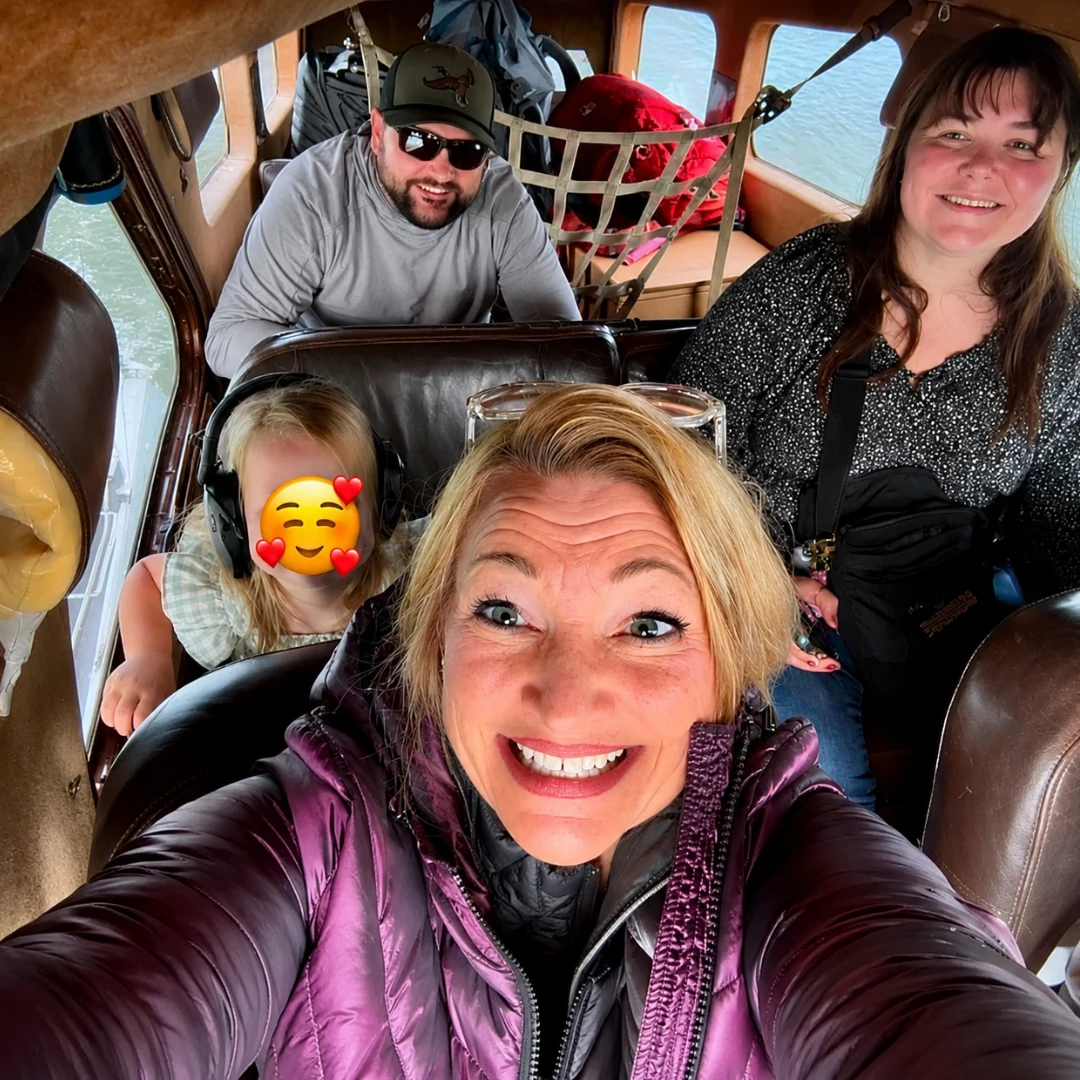
I have family members who work at an airport fueling the planes that help fight wildfires. My niece, brother-in-law, and nephew are part of that work, so I hear a little about what is happening behind the scenes.
In July alone, they hit one million gallons of fire retardant.
One million gallons.
They even had to bring in more people to help keep up with the demand.
That certainly got my attention.
And they aren’t the only ones seeing how busy this fire season has become. In July, the National Interagency Fire Center moved the country to Preparedness Level 5, the highest level on it’s scale. By July 27, more than 25,000 firefighters and support personnel were responding to fires across the country, with especially heavy fire activity here in the Northwest.
When we talk about wildfire safety, though, you don’t have to see flames outside your window for a wildfire to affect you.
Sometimes, the first thing you notice is the air.
When You Can Smell the Smoke
We have fires here in Washington, fires in neighboring states, and sometimes smoke travels hundreds of miles from where a fire is actually burning.
That means the sky can look hazy and the air can become unhealthy even when the wildfire itself is nowhere near your home or jobsite.
Wildfire smoke contains fine particles that can get into your eyes and respiratory system. Everyone should try to reduce their exposure, but some people are at greater risk, including children, older adults, people with heart or lung conditions, pregnant women, and people who spend more time exposed to smoke, including outdoor workers.
For those of you working outside, that last one matters.
You might be thinking:
I’ve worked in worse than this.
It’s just a little smoke.
We need to get the job done.
I understand that mindset. But paying attention to changing conditions isn’t being overly cautious. It’s part of doing the job safely.
A Few Things to Remember on Smoky Days
Start by checking the air quality instead of relying only on what you can see or smell. Conditions can change throughout the day, and the AirNow Fire and Smoke Map provides current information about smoke, fine-particle pollution, fire locations, and available smoke forecasts.
If the air quality gets bad, adjust when you can.
Reduce strenuous outdoor activity. Reschedule outdoor work when possible. Take breaks somewhere with cleaner air. If you must work outside in wildfire smoke, a properly fitting N95 respirator can help reduce exposure. Cloth masks do not provide the same protection from wildfire smoke.
And don’t forget about the air when you go home.
Keeping windows and doors closed when smoke is heavy, using appropriate filtration, and creating a cleaner-air space inside your home can help reduce exposure. AirNow also recommends high-efficiency HVAC filtration, such as MERV-13 or higher when the system can accommodate it.
Most importantly, pay attention to local alerts and evacuation information when fires are nearby.
Safety Starts With Paying Attention
Wildfires are a dramatic reminder that conditions around us can change quickly.
But that lesson applies to safety every day.
Sometimes we get comfortable because we’ve done the same job hundreds of times. Sometimes we tell ourselves we’ll be fine because we’ve worked through worse conditions before.
And sometimes we simply don’t stop long enough to notice that something has changed.
That pause matters.
Whether it’s smoke rolling into your jobsite, a change in the weather, a piece of equipment that doesn’t sound quite right, or a shortcut that suddenly seems easier, take a second and pay attention.
Look around. Think twice. Speak up when something doesn’t feel right.
Because safety isn’t only about knowing the rules.
It’s about recognizing when the situation in front of you has changed and making the choice that helps you get home safely to the people who love you.
That is how we keep moving safety from the head to the heart. 💛
Want to keep the conversation going with your crew?
Sometimes, all it takes is the right question to get people to pause, think, and see safety a little differently. Our 12 Free Safety Prompts are designed to help you start those conversations and keep moving safety from the head to the heart.