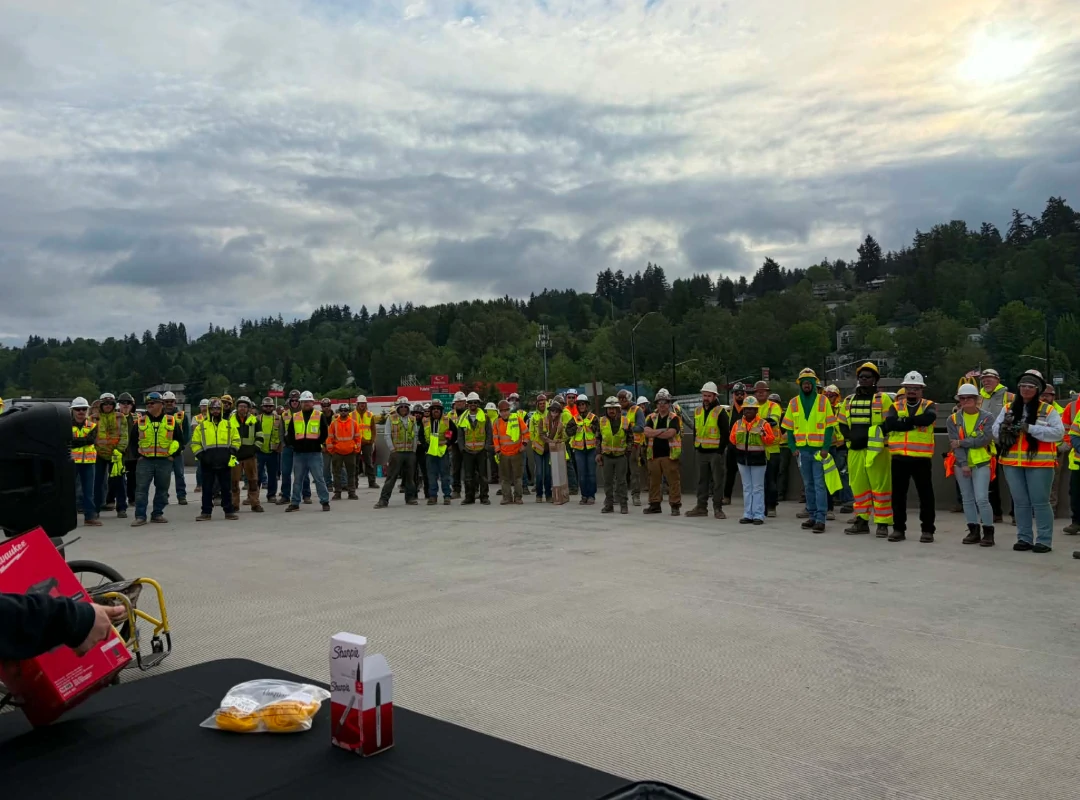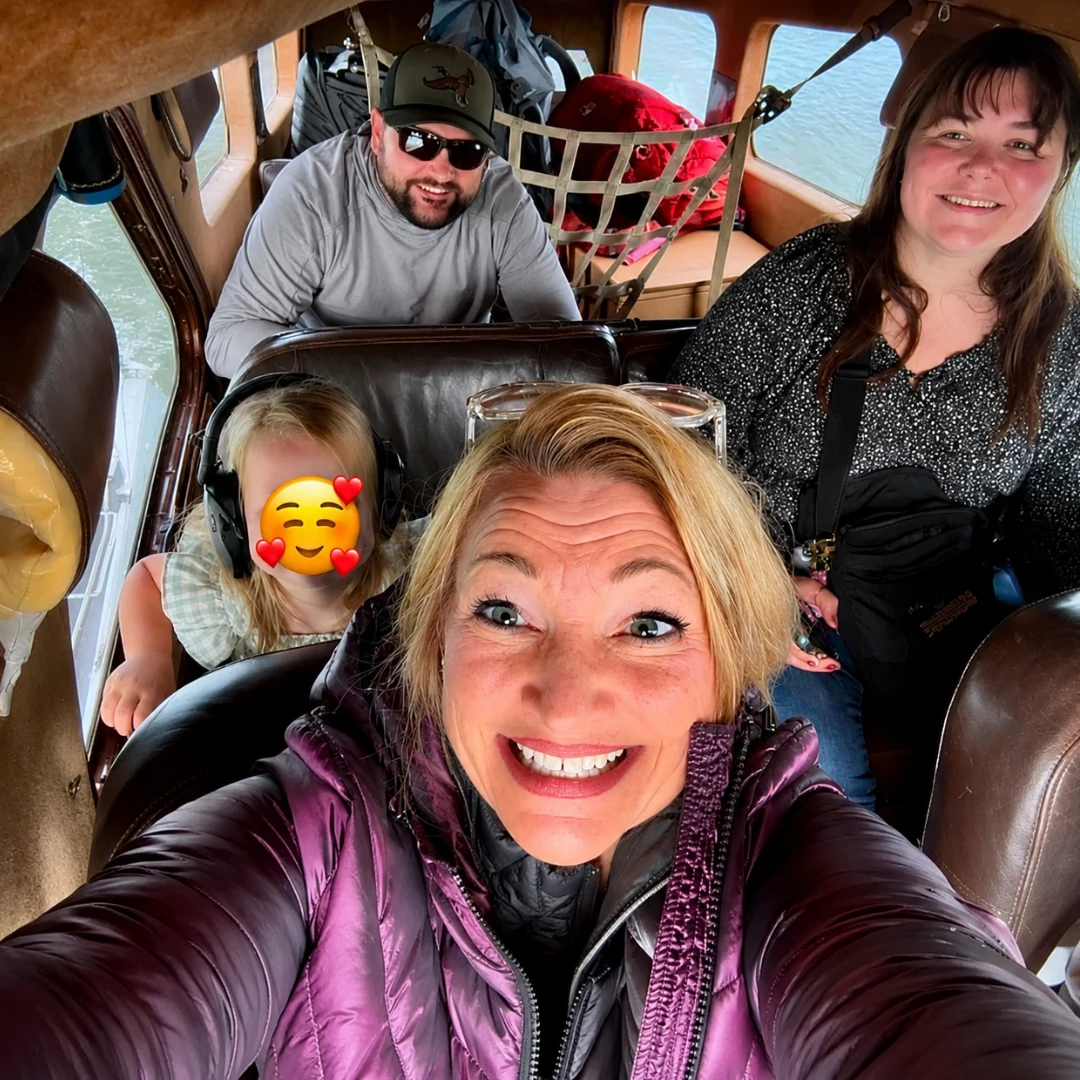
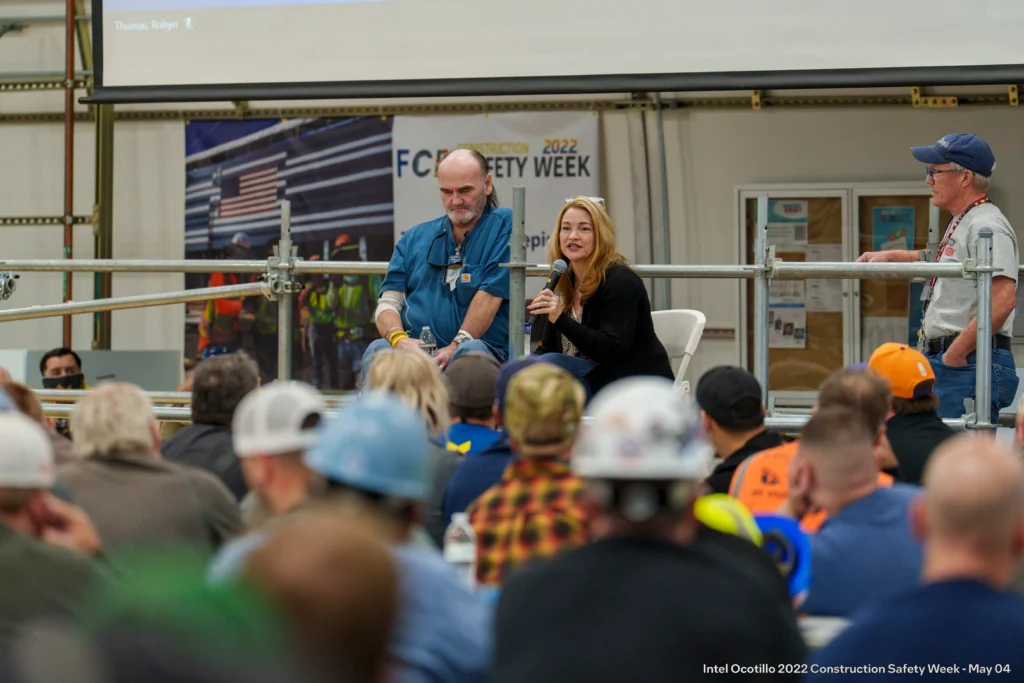
I was recently looking back at some of the companies and organizations Youngstrom Safety has connected with over the years. Some invited Russ and me in to share our story with their crews. With others, we talked about what a presentation could look like, but for one reason or another, it never happened.
Looking through those names got me thinking about how much can change inside a company over time. People retire. People move on. New employees come in. Crews change, supervisors change, and the people working there today may be completely different from the people who were there five or ten years ago.
Even at companies where we’ve already spoken, there may be an entire group of people there today who have never heard our story.
They know the safety rules. They’ve been through orientation. Their safety team is doing the work to make sure they have the training and tools they need. But they’ve never heard what happened to our family or had the opportunity to connect those rules to a real person and a real family.
And that got me thinking about something else I’ve seen happen over the years.
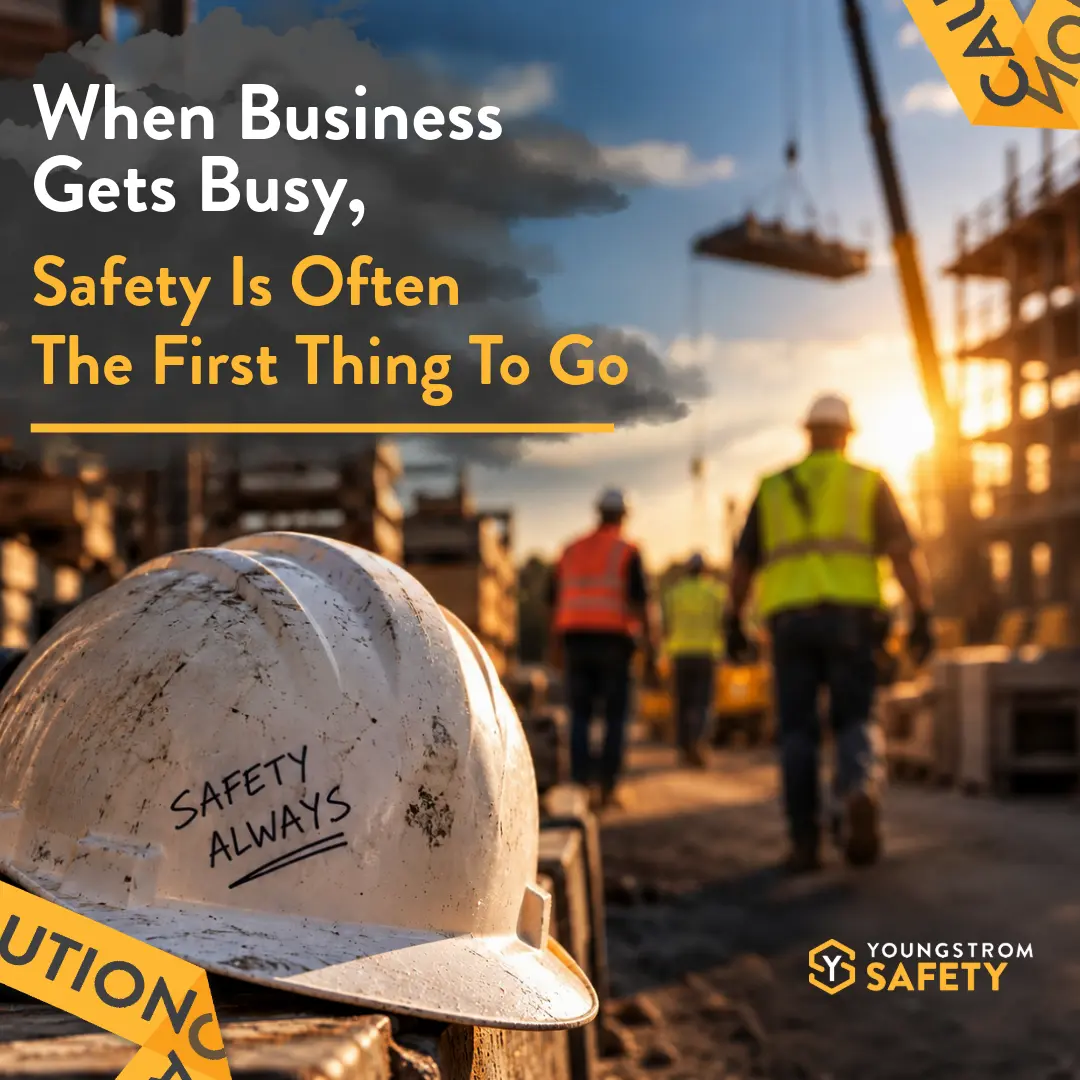
When they’re trimming the budget, safety is often the first thing to go.
I don’t say that to criticize anyone. Budgets are real. Deadlines are real. I’ve met enough safety professionals over the years to know that many of them are the ones fighting to keep safety from being pushed aside.
But pressure has a funny way of changing what feels important in the moment.
Nobody Wakes Up and Decides Safety Doesn’t Matter
A company doesn’t sit down one morning and decide its people aren’t important anymore. A safety director doesn’t suddenly stop caring about the crew. And a worker who has followed the rules all day doesn’t suddenly decide he wants to get hurt.
Usually, there’s pressure behind it.
Maybe a project is running over budget and leadership needs to find somewhere to save money. There are a lot of numbers on that spreadsheet, and every department is being asked what can wait until next quarter. The safety director sitting at that table may be doing everything possible to protect the training, the time, and the resources their people need while also understanding that the company has a business to run.
That’s a difficult seat to sit in.
Sometimes the compromise doesn’t even feel very big. A training gets pushed a few months. A safety meeting gets shortened because the crew needs to get back to work. Bringing in a speaker becomes something everyone agrees would be valuable, but maybe they’ll revisit it when things aren’t quite so busy.
Then next quarter gets busy, too.

That Same Pressure Eventually Reaches the Field
Now imagine one of the people that safety director has been fighting for.
He’s been working all day. It’s hot, he’s tired, and his shift is almost over. There’s one section left that he’d really like to finish because if he doesn’t, he’s going to have to come right back to it tomorrow morning.
He knows what the safe way looks like. Nobody needs to explain it to him. But doing it correctly means stopping what he’s doing, getting what he needs, setting himself back up, and taking more time.
For one little section, with only a few minutes left in the day, “I can get this done really quick” starts to sound pretty reasonable.
That’s how I think a lot of unsafe decisions actually happen. Not because somebody doesn’t care. Not because the toolbox talk wasn’t good enough. Not because the safety manager failed to explain the rule.
Sometimes we’re simply asking a human being to remember what matters most at the exact moment when everything around him is telling him to hurry.
This Is the Part I Wish More People Could See
Russ and I spent years standing in front of workers who already knew how to do their jobs.
We weren’t there because we thought we knew their safety rules better than they did. We weren’t there to tell an electrician how to be an electrician or a crane operator how to operate a crane.
We were there because knowing and doing aren’t always the same thing.
There are moments when you’re tired. Moments when you’re frustrated. Moments when you’re thinking about getting home, getting the project finished, or getting your supervisor off your back. In those moments, another rule on a poster may not be the thing that stops you.
But sometimes a story will.
Maybe you remember the wife who stood on a stage and told you what happened to her family. Maybe you remember Russ’s voice. Maybe you remember looking at the wheelchair. Maybe, for just a second, you picture your own spouse, your kids, your mom, your dad, or whoever is expecting you to walk through the door that night.
That’s the distance between knowing safety and feeling why it matters.
That’s what we mean when we say we’re moving safety from the head to the heart.
So What Happens When Things Get Tight?
I understand that companies have budgets. I understand that projects have deadlines. I’ve spent enough time around this industry to know that saying “never cut anything related to safety” doesn’t make those realities disappear.
But I do think it’s worth slowing down before safety becomes the easy thing to postpone.
Because what looks like an hour of production time on a schedule might be the hour that gives someone a reason to make a different decision three months from now. What looks like another expense on a budget might be the story that comes back to somebody when they’re standing there at 3:25 in the afternoon wondering if they really need to take the extra five minutes to do something correctly.
You may never know that it worked.
There may be no incident report. No phone call. No dramatic story to tell afterward. That worker may simply stop, set himself up correctly, finish the job safely, and go home.
And maybe nothing happening is exactly the return we should be hoping for.
Your Company May Be the Same. Your People Aren’t.
Maybe Russ and I have already spoken to your company. Maybe Youngstrom Safety connected with someone on your team years ago, but the timing wasn’t right.
A lot may have changed since then.
There may be new employees who weren’t there when we shared our story. There may be supervisors who have never heard it. There may be an apprentice walking onto the jobsite this week who knows every rule you’ve taught him but hasn’t yet experienced the moment when pressure starts convincing him that taking a shortcut isn’t such a big deal.
That’s why I don’t think safety is something we get to talk about once and check off the list.
Your safety program gives your people the knowledge, the training, and the tools they need. Our job isn’t to replace any of that.
We’re here to give those rules something else to hold onto.
A story.
A family.
A reason to remember when the pressure is on.
Keep the Conversation Going
You don’t have to wait for your next big safety event to keep this conversation in front of your people.
We’ve created 12 Free Safety Prompts that you can use during a toolbox talk, safety meeting, or even a few minutes with your crew. They’re designed to get people talking about more than what the rule says and thinking about why their choices matter.
And if your company has worked with Youngstrom Safety before—or if we connected in the past but the timing wasn’t right—I’d love to hear what’s changed.
Maybe you have a whole new crew today. Maybe you’re looking for a different way to reach the people who have heard the same safety message a hundred times. Or maybe you simply want to understand whether our story would be a good fit for your team.
Our free consultation is a chance to talk about what you’re already doing, who you’re trying to reach, and where Youngstrom Safety can add to the work your safety team has already built.
We’re not here to give your people another set of rules. We’re here to help those rules mean something when it matters most.