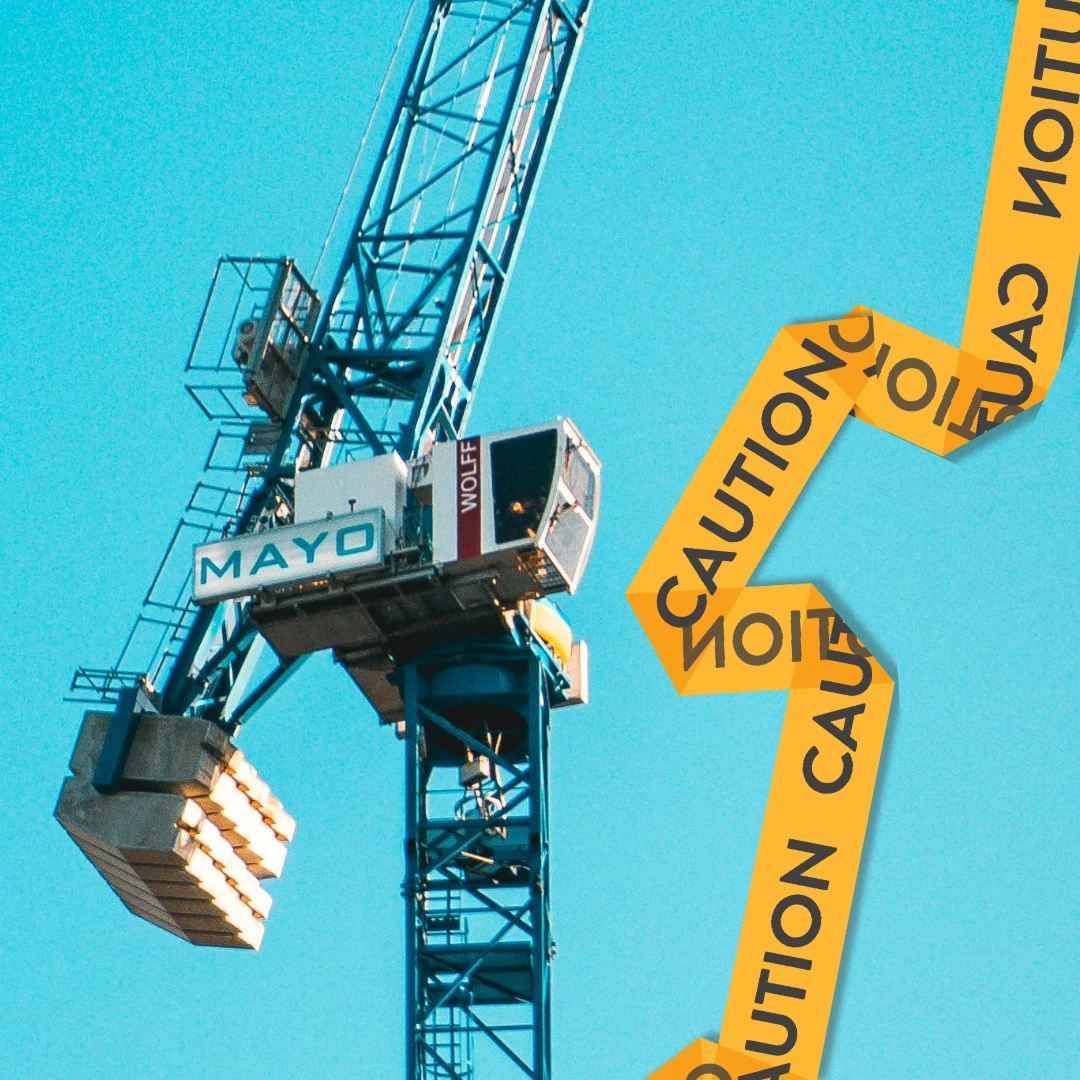
A crane operator in Colorado Springs went to work and did not come home.
The El Paso County Coroner has identified him as 32-year-old Alexander Disher, killed at a construction site south of the Colorado Springs Airport. According to reports, he was killed in an entrapment accident, and OSHA is now investigating what happened.
Russ was just 31 years old when one workplace moment changed the course of his and Laurel’s life forever.
That’s the part we read.
But behind that… is a life.
And people who are now living with that loss.
A family that woke up expecting another normal day.
People who thought they’d see him walk back through the door.
And that’s why messages like this year’s Construction Safety Week theme matter more than we sometimes realize.
- Recognize the hazard before it becomes a tragedy.
- Respond when something doesn’t feel right.
- Respect the fact that every person on a jobsite has people waiting for them at home.
That is where safety moves from the head to the heart.
Because most serious incidents don’t start with someone thinking, “Today is the day something bad happens.”
They happen during normal work.
- A familiar task.
- A moment where someone is rushing, distracted, exhausted, or simply not seeing the danger clearly enough.
We hear a lot about safety this time of year…
- Construction Safety Week.
- Electrical Safety Month.
- Mental Health Awareness.
- Fall protection stand-downs and reminders to tie off, inspect harnesses, and never assume “it’ll only take a second.”
But those only matter if they actually change how we think and how we work.
Because most of the time, it’s not the big, obvious danger that gets us.
It’s the moment we stop paying attention.
And sadly, those moments are often connected to the same hazards OSHA continues to warn construction workers about year after year:
- falls
- struck-by
- caught-in or between
- electrocution
These aren’t just categories.
They’re real-life ways a normal day can turn into the worst day of someone’s life—and the lives of the people who love them.
So before your next task, ask yourself:
What hazard do I not see or recognize right away?
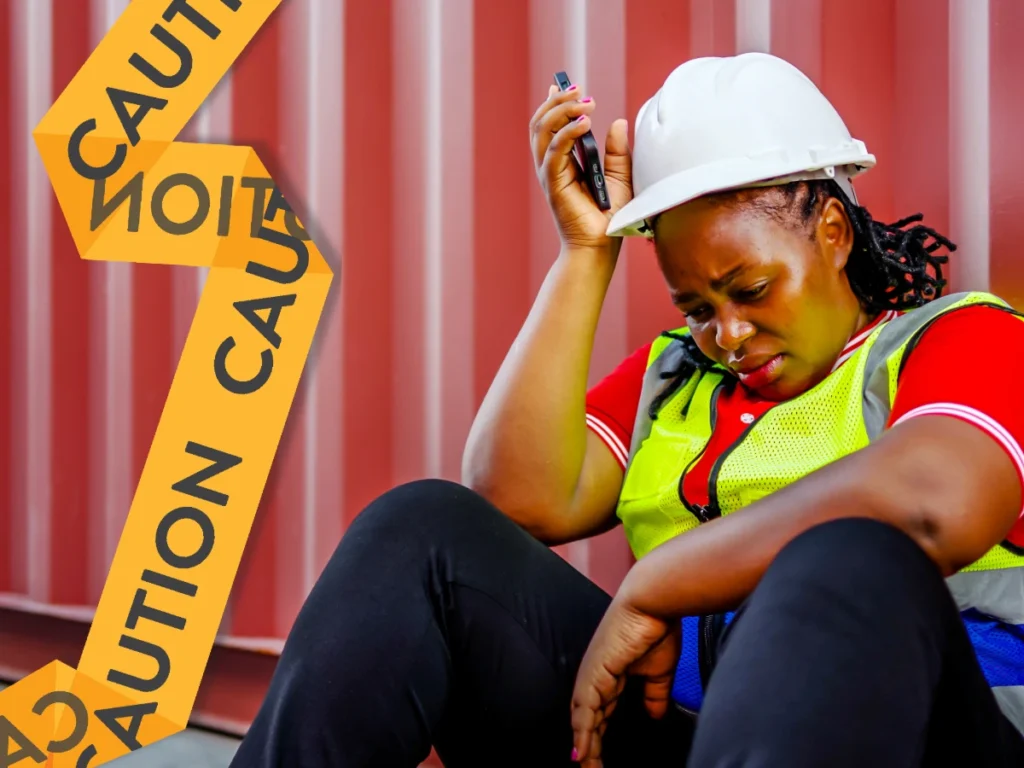
That one question can slow you down just enough to notice something you might have missed.
And sometimes… The reason we miss things has nothing to do with experience or skill.
Sometimes it’s because our mind is somewhere else.
Here is the part we do not talk about enough.
Sometimes the hazard is not only around you…
it is inside you.
- The stress
- The exhaustion
- The pressure to hurry
- The pain you keep pushing through
- The worry you carry onto the jobsite
Mental health awareness should be part of your safety habits.
Because stress, exhaustion, and burnout can affect how we think, react, and recognize hazards on the job. Someone can still show up, put on the hard hat, and look “fine”… even when they’re struggling silently.
That’s why OSHA continues to raise awareness around mental health in construction and resources like the 988 Suicide & Crisis Lifeline exist.
Because sometimes the safest thing you can do… is speak up.
So maybe this time… we do something different.
Not just go through the motions.
Not just sit through another safety talk.
Maybe this time we:
- slow down when something doesn’t feel right
- speak up, even if it’s uncomfortable
- check in on the guy next to us
- say something before something happens
Because for the people who loved Alexander Disher, life will never feel “normal” in quite the same way again.💔